The Perennial Kitchen
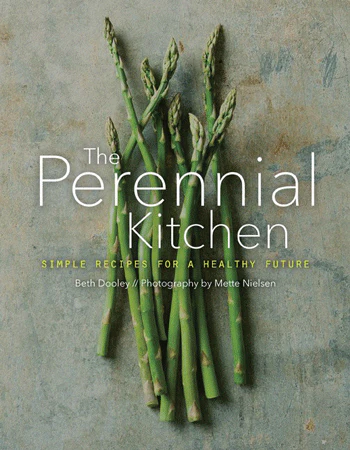
More than a farm-to-table cookbook, The Perennial Kitchen expands the definition of “local food” to embrace regenerative agriculture, the method of growing small and large crops with ecological services. These farming methods, grounded in a land ethic, remediate the environmental damage caused by the monocropping of corn and soybeans. In this thoughtful collection, the home cook will find both recipes and insights into artisan grains, nuts, fruits, and vegetables that are delicious and healthy—and also help retain topsoil, sequester carbon, and return nutrients to the soil. Here are crops that enhance our soil, nurture pollinators and songbirds, rebuild rural economies, protect our water, and grow plentifully without toxic chemicals. These ingredients are as good for the planet as they are on our plates.
Dooley explains how to stock the pantry with artisan grains, heritage dry beans, fresh flour, healthy oils, and natural sweeteners. She offers pointers on working with grass-fed beef and pastured pork and describes how to turn leftovers into tempting soups and stews. She makes the most of each season’s bounty, from fresh garlic scape pesto to roasted root vegetable hummus. Here we learn how best to use nature’s “fast foods,” the quick-cooking egg and ever-reliable chicken; how to work with alternative flours, as in gingerbread with rye or focaccia with Kernza®; and how to make plant-forward, nutritious vegan and vegetarian fare. Among other sweet pleasures, Dooley shares the closely held secret recipe from the University of Minnesota’s student association for the best apple pie. Woven throughout the recipes is the most recent research on nutrition, along with a guide to sources and information that cuts through the noise and confusion of today’s food labels and trends.
The Perennial Kitchen
More than a farm-to-table cookbook, The Perennial Kitchen expands the definition of “local food” to embrace regenerative agriculture, the method of growing small and large crops with ecological services. These farming methods, grounded in a land ethic, remediate the environmental damage caused by the monocropping of corn and soybeans. In this thoughtful collection, the home cook will find both recipes and insights into artisan grains, nuts, fruits, and vegetables that are delicious and healthy—and also help retain topsoil, sequester carbon, and return nutrients to the soil. Here are crops that enhance our soil, nurture pollinators and songbirds, rebuild rural economies, protect our water, and grow plentifully without toxic chemicals. These ingredients are as good for the planet as they are on our plates.
Dooley explains how to stock the pantry with artisan grains, heritage dry beans, fresh flour, healthy oils, and natural sweeteners. She offers pointers on working with grass-fed beef and pastured pork and describes how to turn leftovers into tempting soups and stews. She makes the most of each season’s bounty, from fresh garlic scape pesto to roasted root vegetable hummus. Here we learn how best to use nature’s “fast foods,” the quick-cooking egg and ever-reliable chicken; how to work with alternative flours, as in gingerbread with rye or focaccia with Kernza®; and how to make plant-forward, nutritious vegan and vegetarian fare. Among other sweet pleasures, Dooley shares the closely held secret recipe from the University of Minnesota’s student association for the best apple pie. Woven throughout the recipes is the most recent research on nutrition, along with a guide to sources and information that cuts through the noise and confusion of today’s food labels and trends.
Product Information
Product Information
Shipping & Returns
Shipping & Returns
Description
More than a farm-to-table cookbook, The Perennial Kitchen expands the definition of “local food” to embrace regenerative agriculture, the method of growing small and large crops with ecological services. These farming methods, grounded in a land ethic, remediate the environmental damage caused by the monocropping of corn and soybeans. In this thoughtful collection, the home cook will find both recipes and insights into artisan grains, nuts, fruits, and vegetables that are delicious and healthy—and also help retain topsoil, sequester carbon, and return nutrients to the soil. Here are crops that enhance our soil, nurture pollinators and songbirds, rebuild rural economies, protect our water, and grow plentifully without toxic chemicals. These ingredients are as good for the planet as they are on our plates.
Dooley explains how to stock the pantry with artisan grains, heritage dry beans, fresh flour, healthy oils, and natural sweeteners. She offers pointers on working with grass-fed beef and pastured pork and describes how to turn leftovers into tempting soups and stews. She makes the most of each season’s bounty, from fresh garlic scape pesto to roasted root vegetable hummus. Here we learn how best to use nature’s “fast foods,” the quick-cooking egg and ever-reliable chicken; how to work with alternative flours, as in gingerbread with rye or focaccia with Kernza®; and how to make plant-forward, nutritious vegan and vegetarian fare. Among other sweet pleasures, Dooley shares the closely held secret recipe from the University of Minnesota’s student association for the best apple pie. Woven throughout the recipes is the most recent research on nutrition, along with a guide to sources and information that cuts through the noise and confusion of today’s food labels and trends.